My collection is an investment. With that being said, I don’t purchase tractors only to resell for a profit. Happily, that does happen, or at least I get a return on my investment. I have sold at a loss, but I chalk that as a lesson learned. All in all, I’m a collector more than a trader.
I get too atached. Maybe thats good in a way. Most of my iron holds a sentiment or other reason. I downsized last winter due to lack of storage space. My storage capicity increased drastically right after that particular sale.

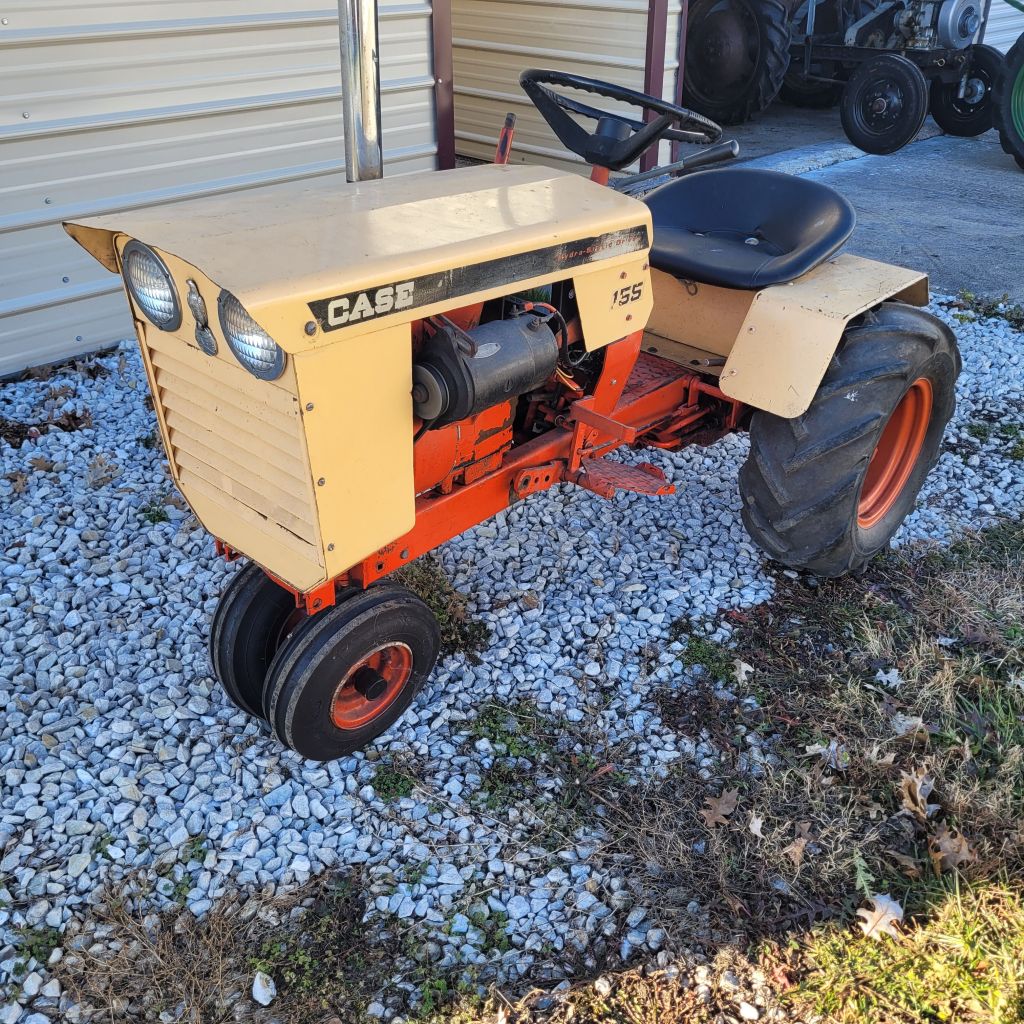
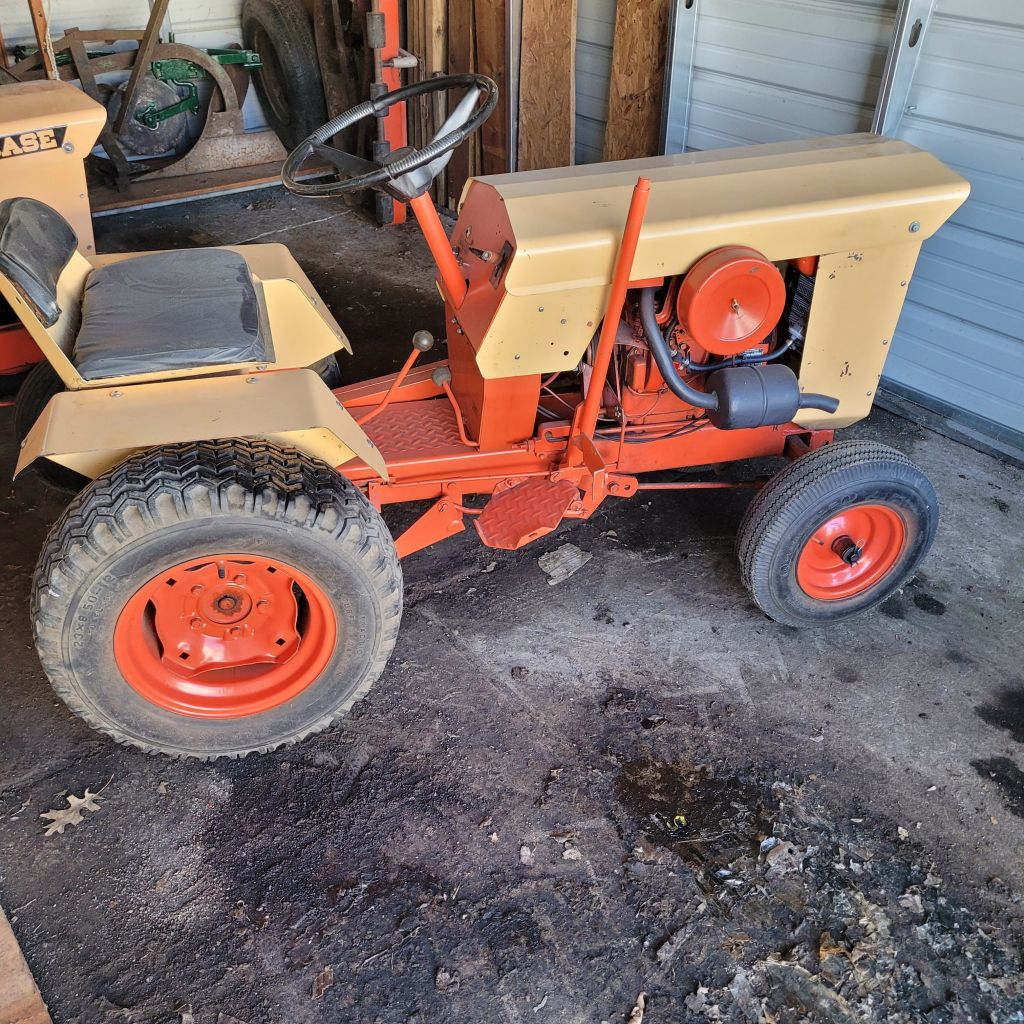
That may be the reasoning I use to justify the Case tractor sale, but my interests had changed. I had only intended to sell three of my four Case L&G. They all had their own special significance, my Case 130 most of all.
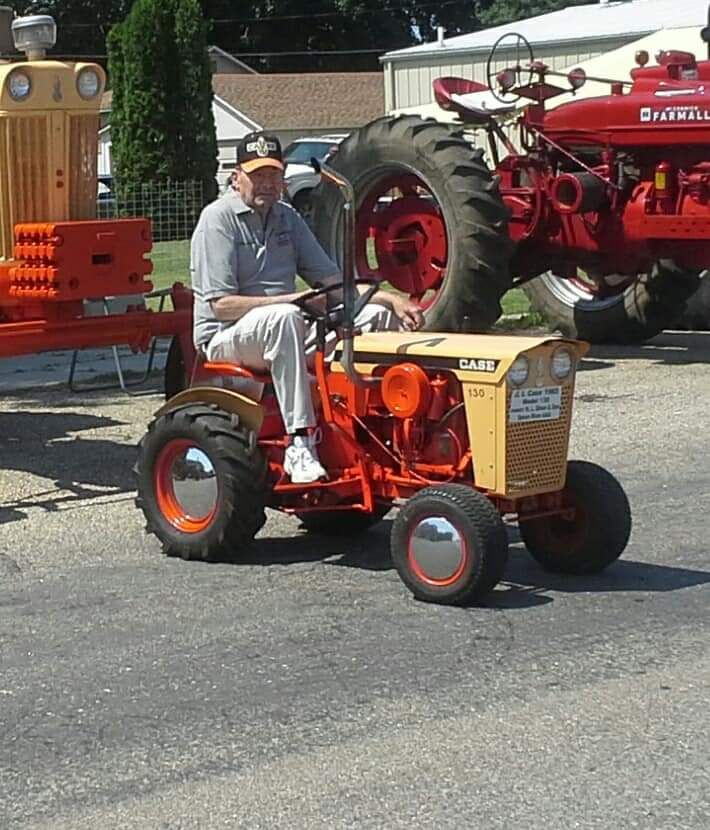
The 130 had been my dad’s. He had sold half to me, and kept pestering me to buy him out. My usual response would always tell him I’d own it someday, until then I was satisfied with half ownership with a cranky old partner.
All my Case collection went to PA. Trust me it was an agonizing decision, but I realized I was more attached to the 130 than my dad had been. He would have been even more excited about how my collection had progressed. Dad had more sense to realize and accept change. Reflecting, the old man would openly own the vanity of a tractor labled with his last name. People ask me how I could sell a tractor that was passed down to me. Half was passed, I bought the other half. I’m happy, the four tractors went to a great buyer.
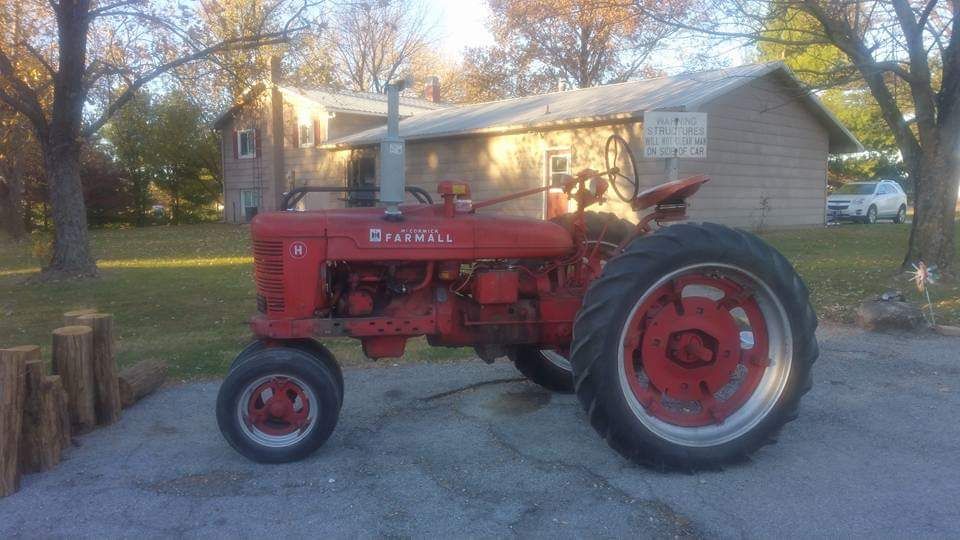
The Farmall has a different story. My dad would have liked it, but again, I was more attached. Truthfully, I was pretty upside down if the cost of restoration was factored. I didn”t regret having Edwards Tractor Restoration do the magic. There are several articles in my blog that discuss the topic whether or not to restore. I made the choice considering I would never recover my investment.
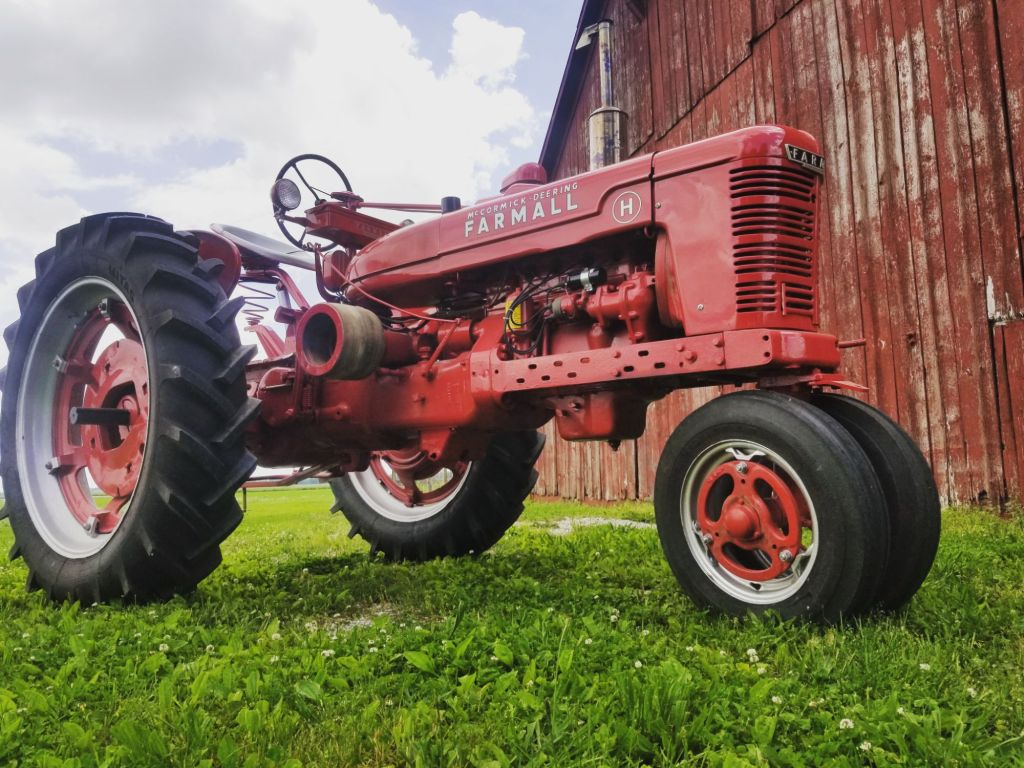
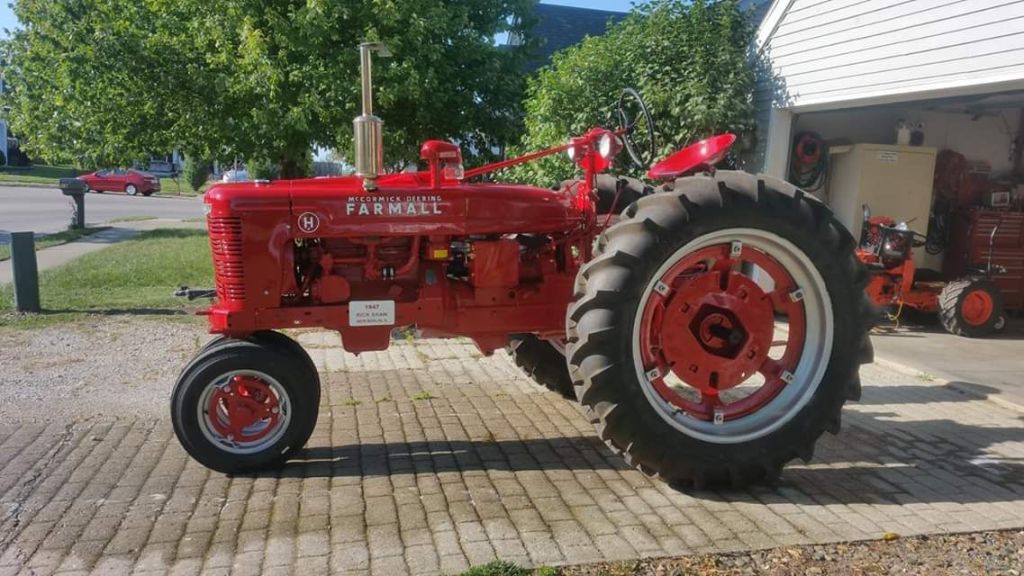
The “red” tractor market is down, probably the whole antique market is soft considering our present economy. Nick Menke initually aproached me, to sell the H. I had to chuckle and tell him he wouldn”t want to pay my ask. I found out that he was acting as a purchase agent for the railroad museum in Monticello, IL. That information was very influential in my desicion.
The Super C, that I previously owned, had already been donated. I told them I wouldn’t simply donate, but proposed a on site loan. That proposal was nixed.
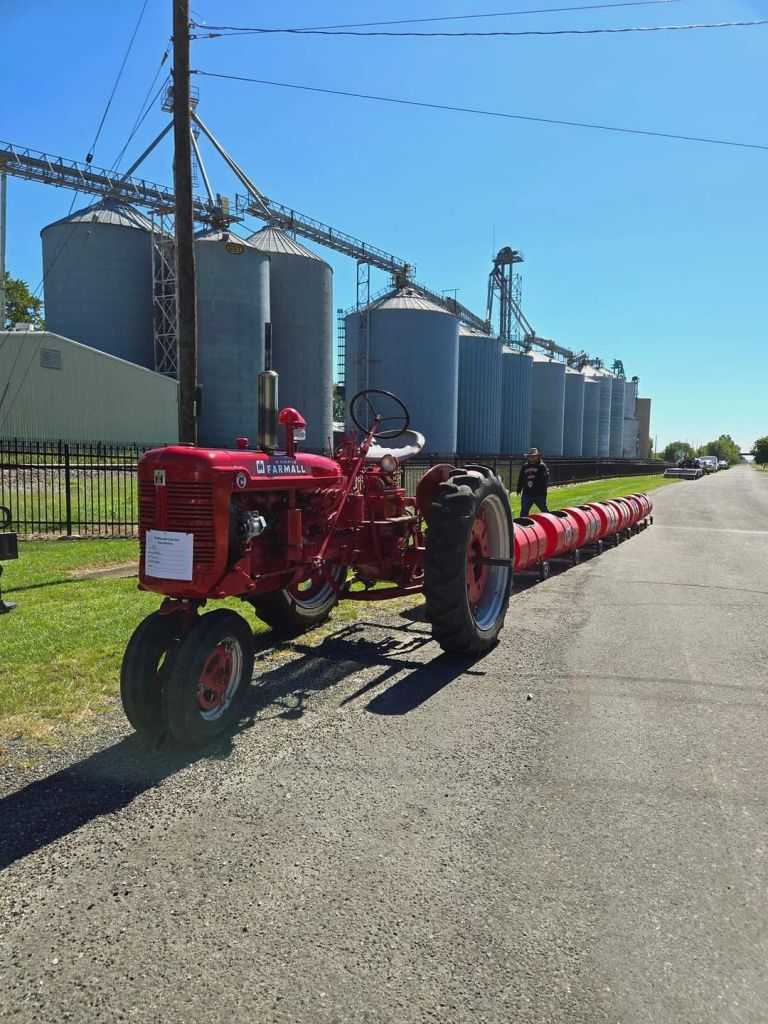
Finally, after back and forth, a visit to the museum, they insisted I name my price. Nick wanted to know the magic number that would get me to sell. I considered and then lowered the figure. I didn”t want to seem overly greedy. I won’t disclose the final tally, but it was on the high side.
They didn’t even flinch! The offer was easily accepted. Nick had explained to John Scuitto about the money and resources that went into creating the little H’s grandeur, and he respected all that. Most buyers want to haggle, which can be entertaining until. it becomes annoying. That wasn’t the case this time. All the haggling had been done in my own mind.
This exchange will always be high on my list of memorable deals. I didn”t profit, I didn’t even break even, but I won in other ways. I know that tractor will be more enjoyed by the public now.
I outbid and blocked a museum from a tractor purchase, maybe this will pay my penance for that mistake. Its nice to know that a tractor I once owned is now an artifact in a living museum.
If you haven’t visited the Monticello Railway Museum, I highly recomend doing so. Go back, if its been awhile. The museum brings history to life and is ever changing
Editors note~ please excuse any spelling and gramatical errors. My phone recently updated and apperantly went on strike helping with corrections.

 Antique Iron Media