

Stanley Wilbur Shaw must have had a vision to create garden tractors. When conversion tractors were being designed, his ideas produced a smaller unit. His reasoning was a smaller turning radius. Why did he see a need? He was in the wide open spaces of Kansas.
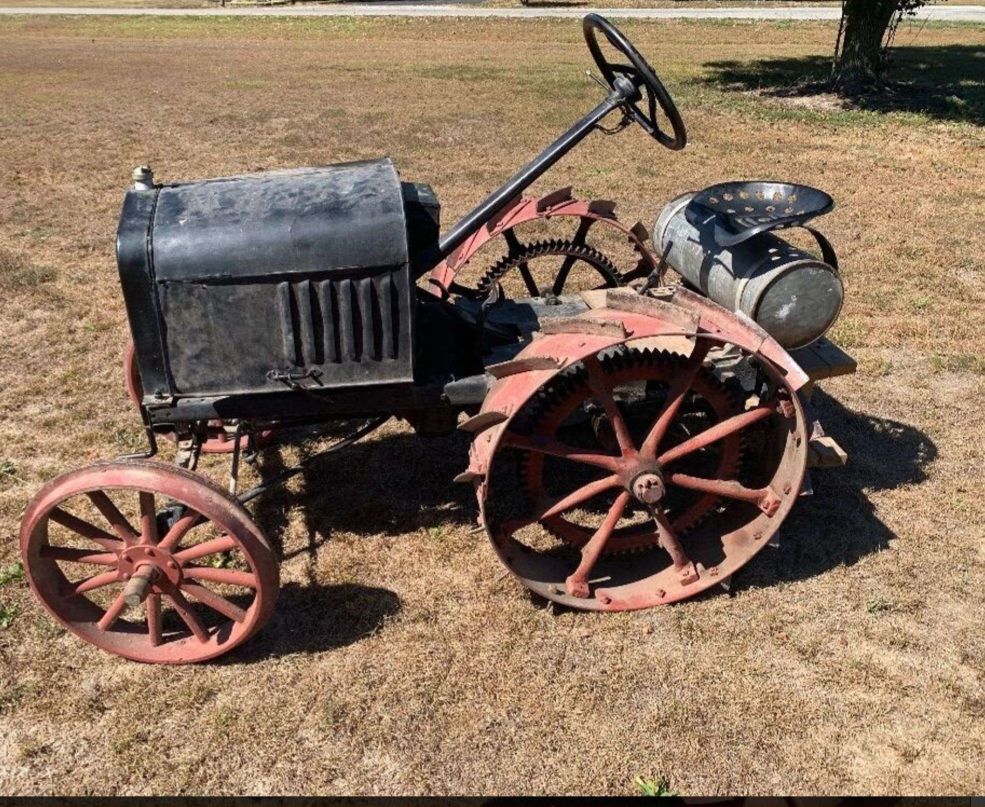
Ohio collector Jeff Shaw recently added an interesting artifact to his large Du-all collection.
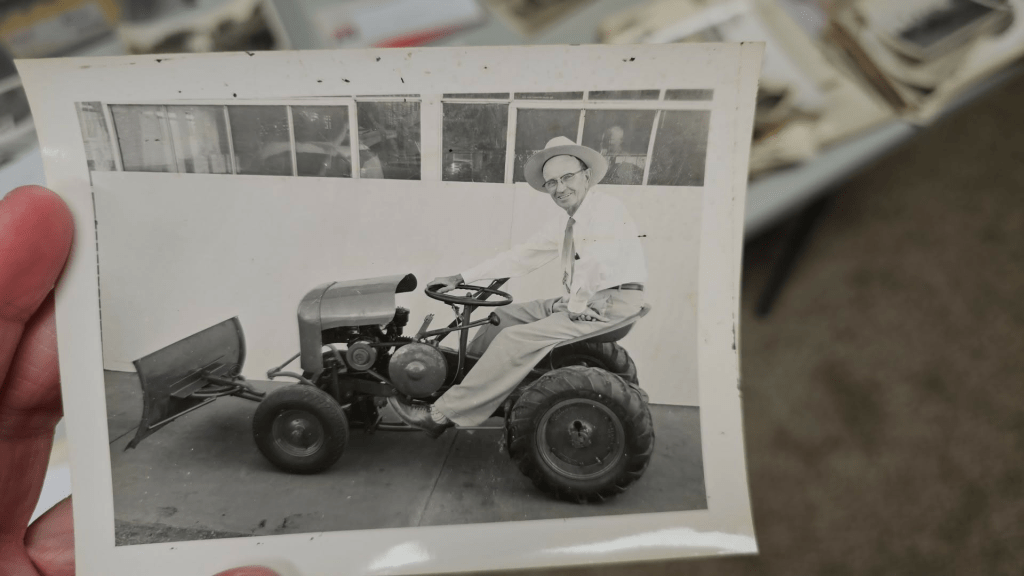
Below is proof that the tractor came from Shaw Manufacturing in Galesburg, KS. It’s hard to estimate an exact year, but considering it is an R model configuration, with a rounded “hoop” front, the tractor was produced sometime in the late forties. That would be a guess on Jeff and my part. According to records, approximately 6 to 8 were built
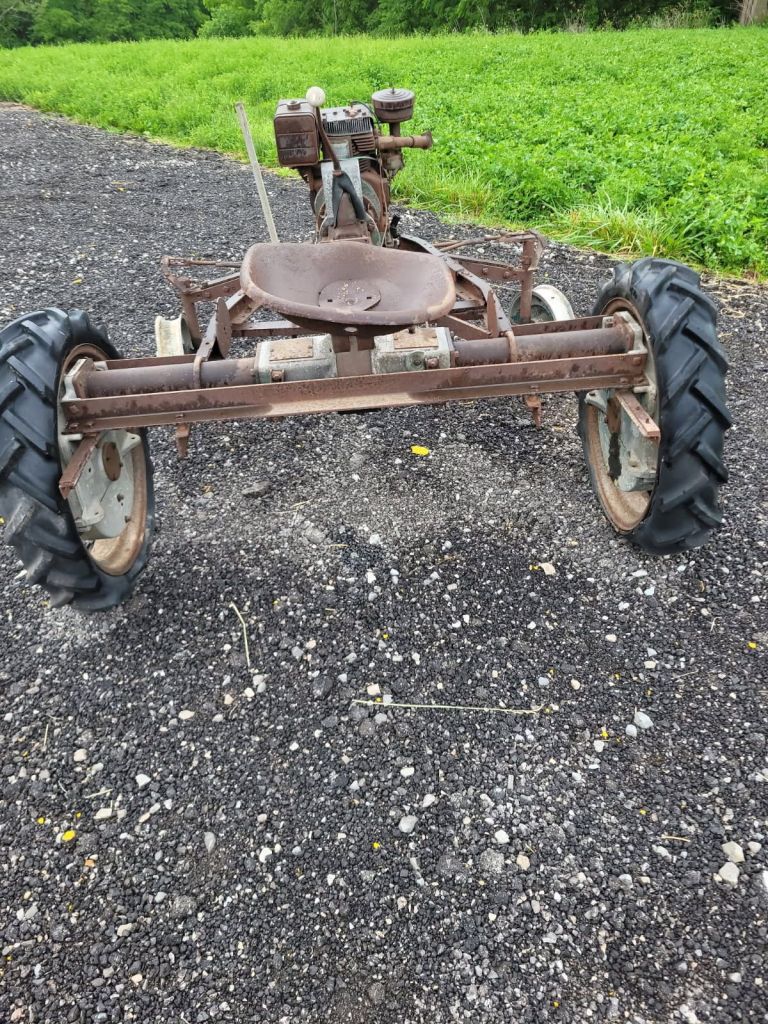
Jeff’s tractor isn’t complete, but he has future plans to restore it. The tractor has a standard frame that widens to accommodate the wide spacing between the rear end and final drives. Is Jeff’s the only one left?
Chris Grammer, another Du-all collector, and I have had many conversations discussing the Shaw tractor topic since we met. Chris stated once, “No two Shaw tractors are built exactly the same.” Anybody that owns more than one can attest to that.
Shaw wasn’t afraid to experiment to achieve a better product. The factory also accommodated a customer’s need. Here is an R12T with a factory hydraulic setup.

Another option created was the adjustable front axle for R models. I don’t have any pictures, but two collectors that are active on Facebook and involved with the Shaw Du-all group have talked about their’s.
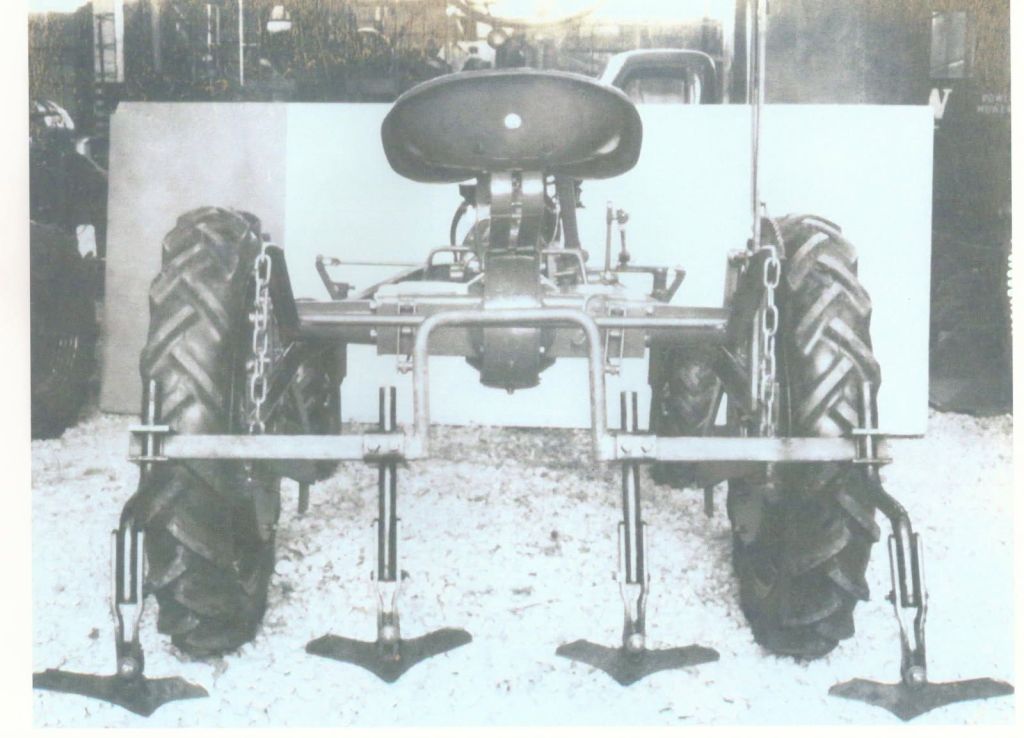
Recent pictures have come from the Galesburg Historical Society. The Historical Society is the curator for Shaw Manufacturing. If the tractor was produced, none have surfaced to be seen, leaving wonder if it were experimental. For me, this causes great speculation.
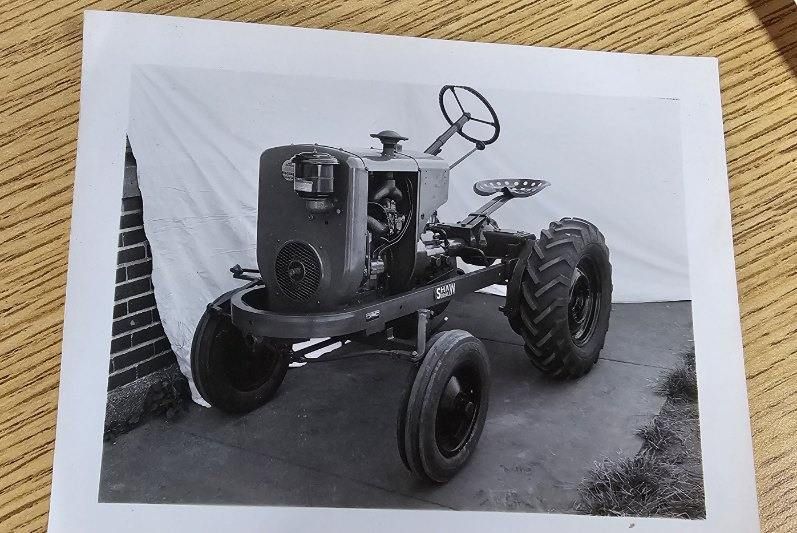
R models have a terrible tendency to be light in the front end. Even with wheel and frame weights, the tractor tends to lift. Part of the issue fault could be from operator placement. the seat is behind the rear axle.
Some solutions did see production. The Wisconsin powered R models have the engine placement more forward
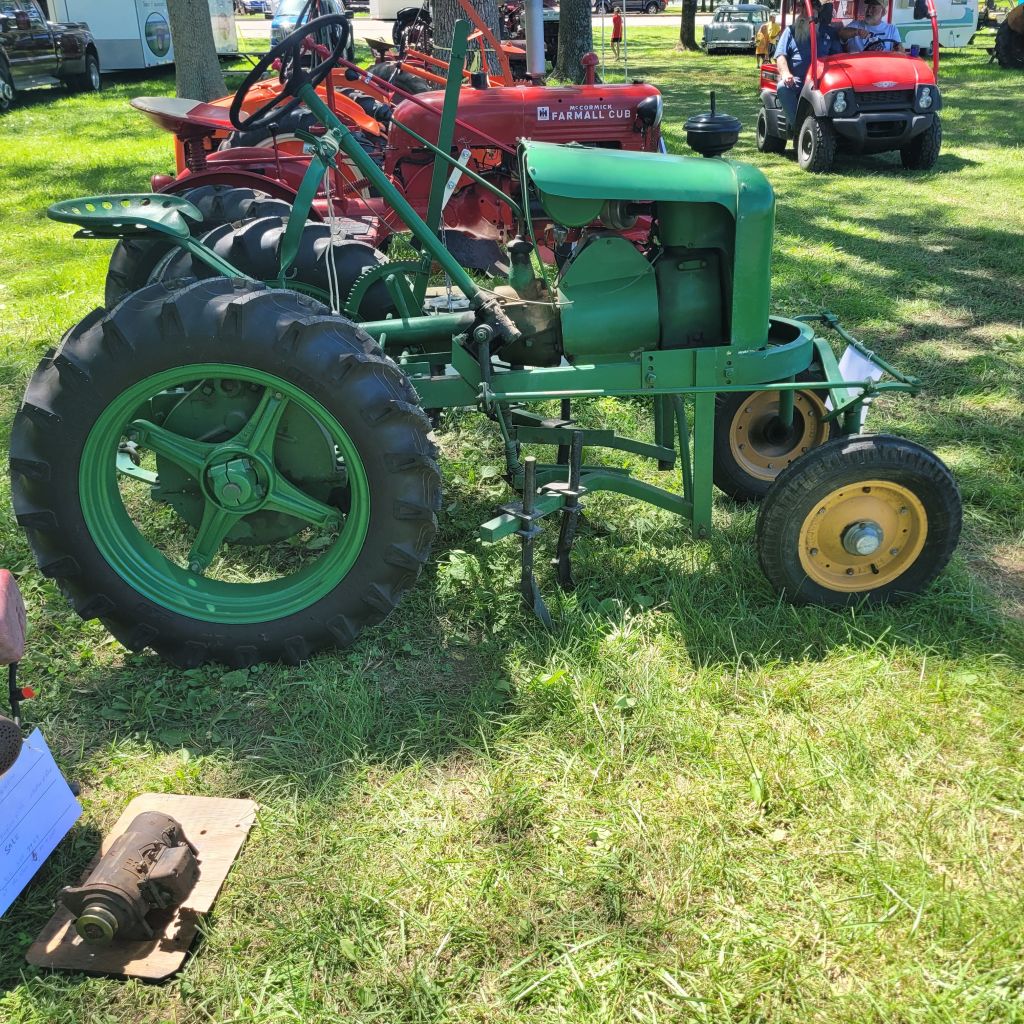
Some models were produced with smaller back wheels. The R6 was common to have that option.
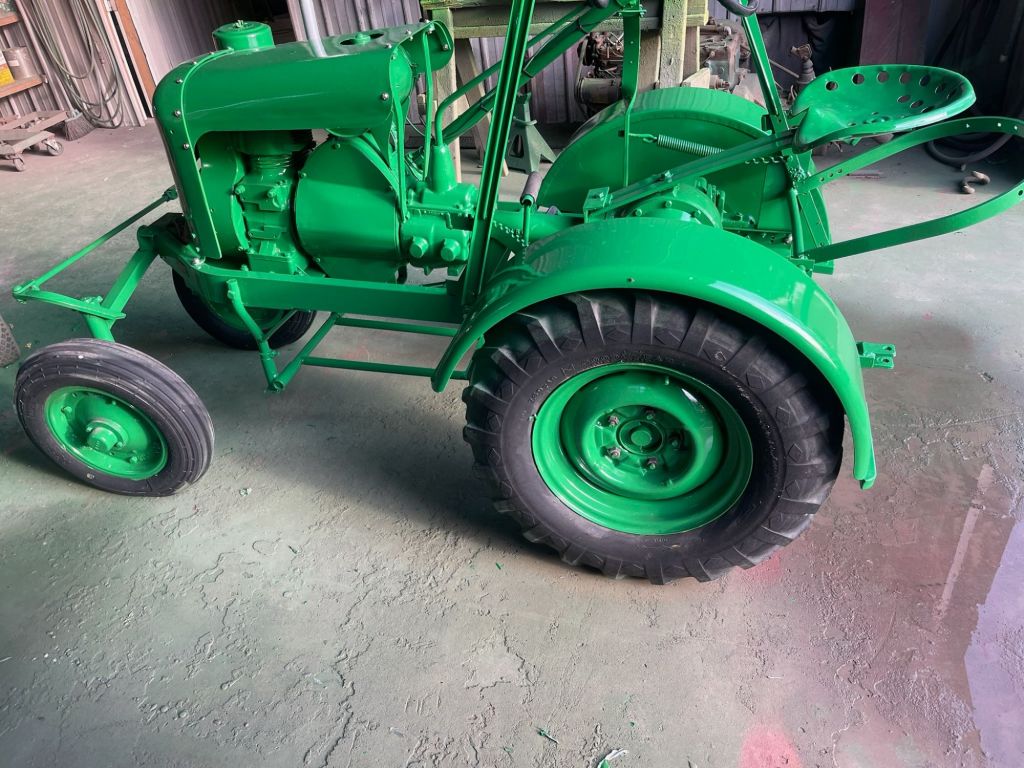
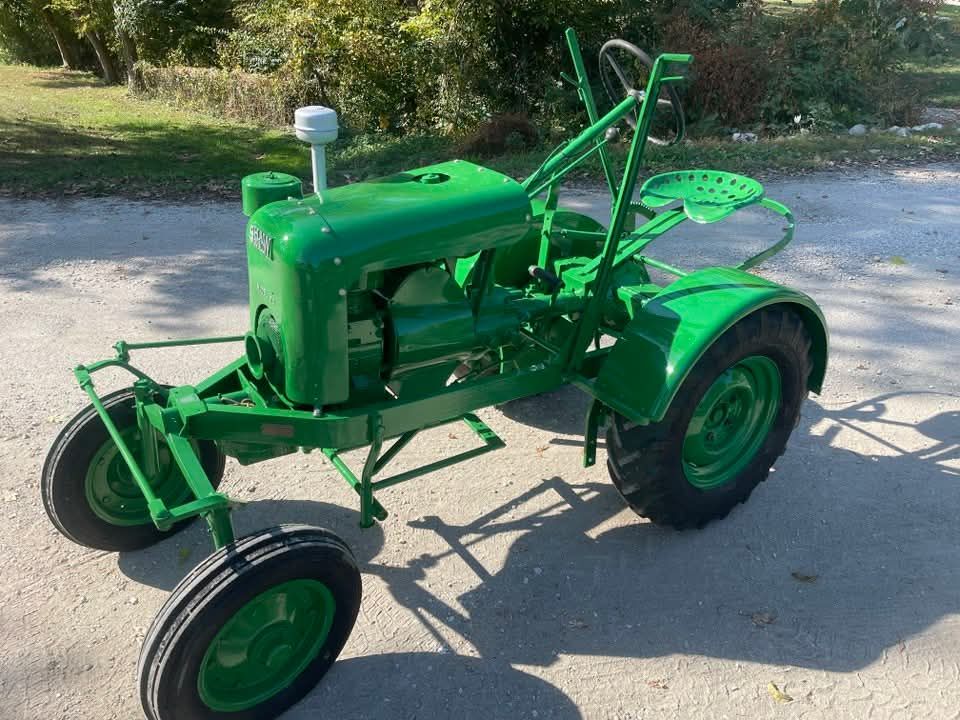
Referring back to the archive picture, one has to wonder if that was the reasoning for the setback front axle. Logical deduction would assume the tractor was built in the 50s when the R12T was in production. That was the engine and cowling used for that particular tractor. Was the tractor experimental?
I’ve had conversations concerning the design. If it was a solution to a light front end, then the idea is flawed. The issue wasn’t in the front all along. The final drives were the cause. The tractor shows new concepts that were incorporated into the N model.
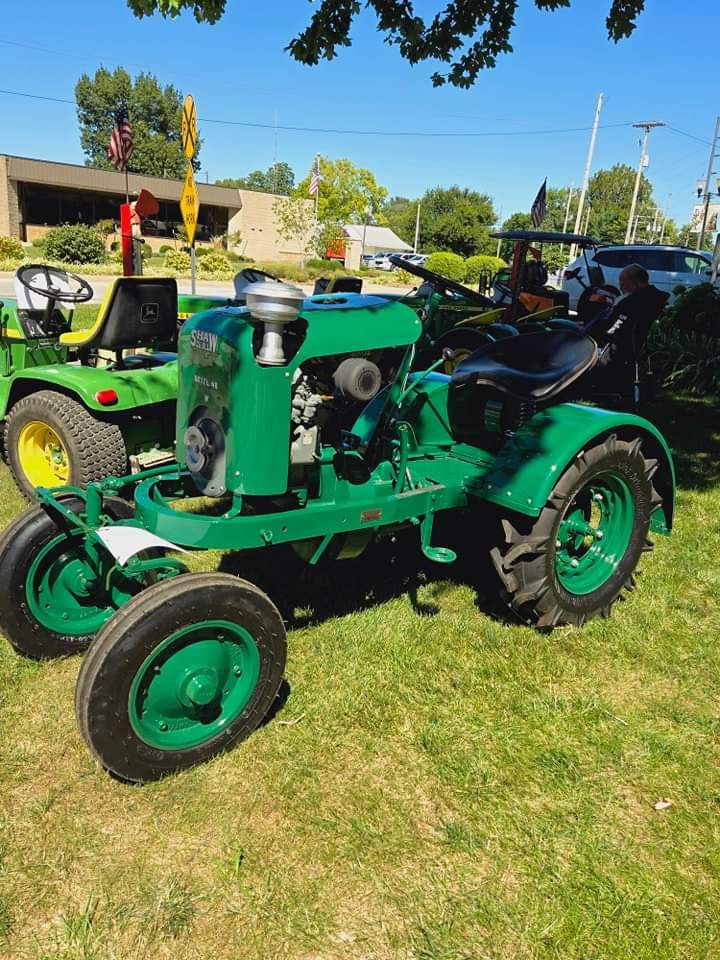
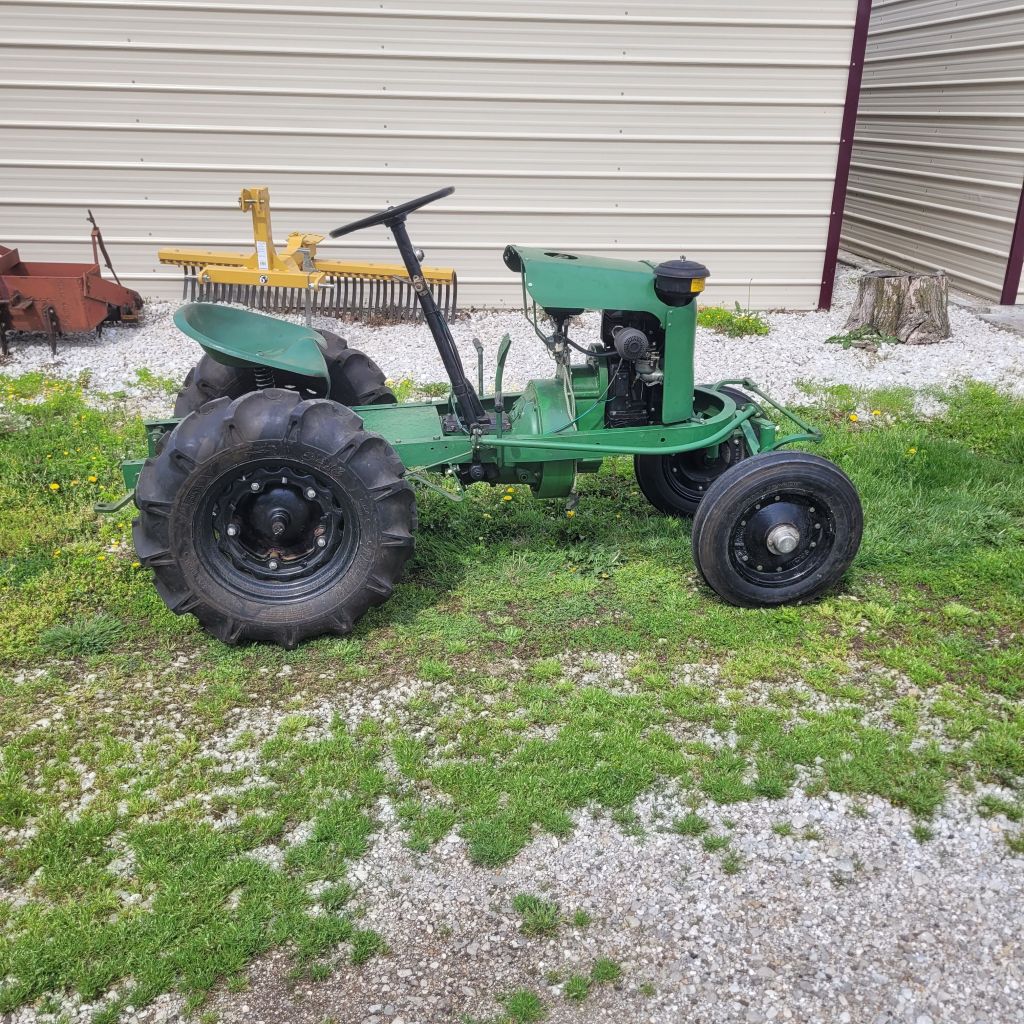
Shaw retooled with the N models He did away with final drives, placing gear reduction between the engine and clutch. The N series is more operator friendly. All the features of the R model were incorporated into the new N.
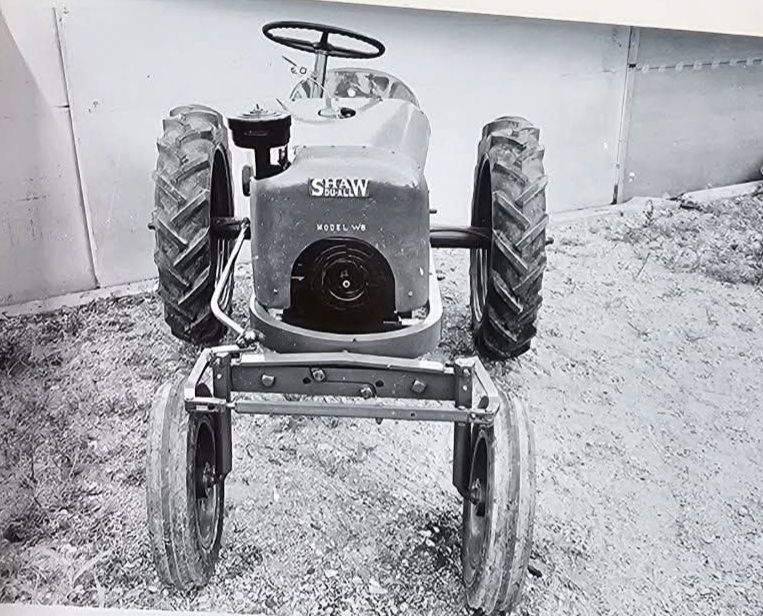
The N models were available in 5 and 8 Briggs & Straton horse power. The tractor was also available with an 8 horse Wisconsin.
October 2024, I wrote an article in this blog Does it exist? This article discusses the possibility of a smaller powered 2.5 horse power. The factory did build one. Question now: Did a tractor ever get sold
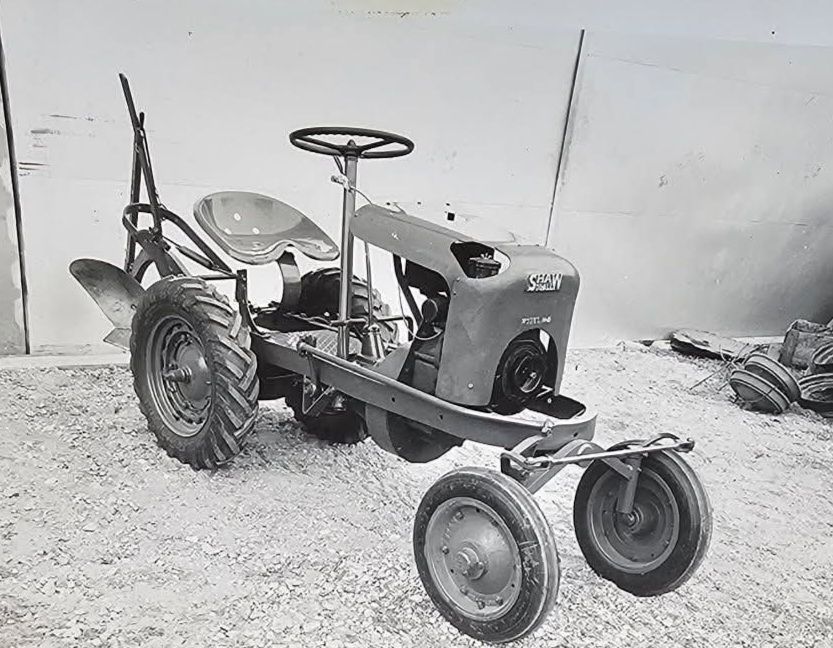
Here’s the pictorial proof. This tractor is powered by a 2.5 horse Briggs model 9 rather than model 14 used in the N5. The obvious tell is the small air cleaner.
The final picture leaves more questions than answers. Was it another prototype?
Editor’s note ~ Thanks to everyone who made this article possible. I want to thank everyone who discussed topics in the Facebook group. Thank you to the Galesburg Historical Society.
Special acknowledgment to Jeff Shaw, Chris Grammer and Jerry Rawlings


